Experienced Diesel Engine Servicing: Keep Your Engine Running Smoothly
Qualified diesel engine servicing services remain important in maintaining engine efficiency and reliability. Competent technicians leverage precision diagnostic instruments to locate issues before they advance. Planned upkeep not only enhances output but also increases the engine's operational span. Recognizing the indicators that communicate your engine needs attention is vital. Given that common challenges can emerge suddenly, grasping how to resolve them can cut costs and delays. What should one concentrate on when engaging professional help?
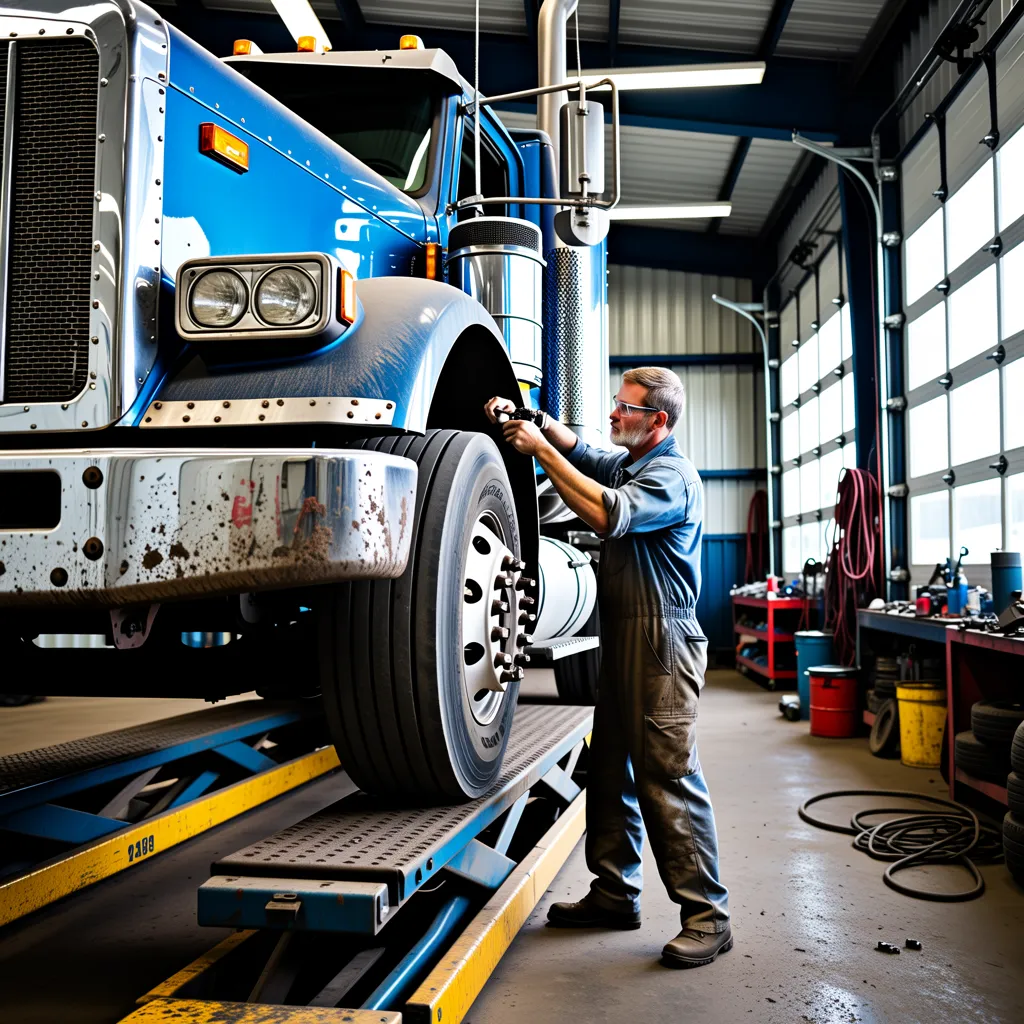
Determining When Your Diesel Engine Needs Attention?
How can someone know when a diesel engine calls for attention? There are several indicators that a diesel engine might need repairs. Unusual noises, like knocking or hissing, often point to internal problems. Excessive smoke from the exhaust—especially black, blue, or white—can signal fuel inefficiency or oil leaks. A noticeable decline in performance, such as reduced power or stalling, points to issues that demand swift attention. Keeping an eye on fluid levels is crucial; low oil or coolant may show leaks or other concerns. Also, a warning light illuminated on the dashboard should never be ignored since it shows a detected malfunction in the engine management system. Finally, any changes in fuel consumption can be another warning sign. Early recognition of these signs can help avoid further damage and preserve the engine's lifespan.
The Importance of Consistent Diesel Engine Maintenance
Regular diesel engine maintenance is vital for guaranteeing peak performance and durability. Routine checks and servicing help to detect potential problems before they escalate into costly repairs. Keeping the engine spotless, replacing the oil regularly, and examining filters are important steps that enhance efficiency and lower emissions. In addition, monitoring fuel quality and preserving the cooling system prevent overheating and improve overall dependability.
Neglecting maintenance can lead to decreased fuel efficiency and increased wear on engine components, ultimately shortening the engine's lifespan. Regular inspections also offer opportunities to update software or make necessary modifications to optimize performance. Moreover, compliance with a maintenance schedule helps preserve warranty coverage and guarantees compliance with environmental regulations. By emphasizing regular diesel engine maintenance, owners can enjoy a more efficient, powerful, and reliable engine, resulting in lower operational costs and minimized downtime.
Skilled Diesel Engine Service Services: Why They Are Important
Expert diesel engine repair services prove essential in offering accurate diagnostics and effective solutions. By handling issues without delay, they help prevent costly breakdowns that can hamper operations. Additionally, their expertise aids in enhancing the overall longevity of diesel engines, safeguarding investments over time.
Expertise Guarantees Appropriate Testing
When a diesel engine experiences issues, the importance of expert analysis cannot be understated. Experienced mechanics have the understanding and tools necessary to accurately identify problems that may not be readily apparent. Their expertise allows them to interpret sophisticated data from diagnostic equipment, ensuring that the root cause of the difficulty is located rather than simply addressing surface manifestations. This detailed strategy reduces the possibility of incorrect diagnosis, which can result in to unnecessary maintenance and lengthy idle periods. Moreover, expert analysis add to a more efficient repair procedure, allowing for swift and successful remedies. Finally, relying on experts not only boosts motor capability but also extends the longevity and reliability of the diesel engine, making it an essential aspect of care.
Prevents Costly Breakdowns
Averting expensive breakdowns is a key benefit of utilizing skilled diesel engine maintenance services. These professionals possess the knowledge and background to spot possible issues before they develop into significant problems. Regular maintenance, executed by skilled technicians, ensures that engines operate effectively, reducing the probability of unforeseen failures. By addressing minor repairs promptly, professional services mitigate risks associated with extensive damage, which can result in costly repairs and extended downtime. Furthermore, expert diagnostics support in understanding the engine's specific needs, enabling personalized solutions that enhance performance. Investing in such services ultimately protects against the monetary burden that unexpected breakdowns can impose, guaranteeing that operations stay uninterrupted and costs remain in check.
Extends Engine Longevity
Engaging professional diesel engine repair support not only avoids costly breakdowns but also significantly enhances engine longevity. Experienced technicians possess specialized knowledge and instruments to spot and repair potential issues before they escalate. Regular maintenance, including oil changes and filter replacements, guarantees peak performance and minimizes wear on engine components. In addition, these services often feature state-of-the-art diagnostic techniques that detect inefficiencies or malfunctions that could otherwise go unnoticed. By addressing problems early, diesel engine repair specialists can substantially extend the engine's operational lifespan. This proactive strategy encourages reliability and efficiency, ultimately yielding lower operational costs over time. Ultimately, investing in expert repair services is a smart choice for those aiming for durability in their diesel engines.
Top Diesel Engine Troubles and How to Repair Them
Within the sphere of diesel engines, numerous typical issues can obstruct performance and efficiency. Recognizing these issues, combined with establishing preventative maintenance and effective repair techniques, is crucial for optimal operation. This analysis will underscore key challenges and solutions for maintaining diesel engine reliability.
Typical Diesel Engine Difficulties
Diesel engines, known for their durability and efficiency, can encounter a variety of issues that may impede performance. One frequent issue is contaminated fuel, which can lead to inadequate burning and decreased output. Additionally, failed injectors is a common problem, often resulting in rough idling or misfiring. Another concern is overheating, usually caused by coolant leaks or a malfunctioning thermostat, which can significantly harm engine components. Air intake restrictions, such as clogged filters, can limit airflow and reduce performance. Finally, excessive exhaust smoke may indicate partial combustion, often associated with damaged piston rings or defective valves. Tackling these problems promptly is essential to maintaining the optimal engine performance and durability.
Maintenance Prevention Basics
Ensuring a diesel engine's operation requires consistent preventative maintenance practices designed to address common concerns. Performing routine oil changes is necessary because clean oil provides proper lubrication and limits wear. Regularly checking and replacing fuel filters avoids clogging that can impair engine performance. Keeping an eye on coolant levels and confirming the cooling system's effectiveness helps prevent overheating. Additionally, inspecting and maintaining the air intake system is vital for maximum combustion efficiency. Periodic checks of belts and hoses for wear can avert unexpected breakdowns. Finally, routine diagnostics can detect potential issues early, allowing prompt intervention and minimizing costly repairs. Adhering to these practices supports engine longevity and reliable function.
Guide to Restoration Procedures
Determining and resolving common diesel engine difficulties is vital for ensuring outstanding functionality and longevity. Widespread difficulties feature fuel delivery failures, excessive temperatures, and heightened exhaust emissions. Solid restoration techniques generally involve analysis to pinpoint the underlying problem, followed with purposeful interventions such as installing new fuel injectors or purifying fuel filters. Excessive temperatures can be addressed by monitoring coolant levels and reviewing the radiator, while exhaust problems may require the replacement of the catalytic converter. Routine maintenance, including oil changes and air filter replacements, can stop many difficulties from developing. By employing these repair strategies, diesel engine owners can reinforce reliability and performance, ultimately extending the life of their engines.
Finding the Perfect Diesel Engine Maintenance Provider
When looking for the ideal diesel engine repair shop, one must evaluate various factors that can greatly impact the quality of service. First, the shop's standing is essential; online reviews and customer accounts can provide insight into previous customer experiences. In addition, the qualifications and experience of the technicians are paramount, as skilled professionals can properly identify and fix issues.
The accessibility of contemporary tools and systems also plays a significant role in successful repair work. A properly outfitted shop is likely to handle repairs efficiently and accurately. Moreover, clear pricing policies and well-defined warranty terms can suggest a reliable business.
In conclusion, nearness to the customer's location may enhance user-friendliness, especially when urgent needs arise. By carefully evaluating these considerations, consumers can make sound choices when selecting a diesel engine repair shop that meets their specific needs.
Guidance for Increasing the Life of Your Diesel Engine
A couple of basic techniques can greatly extend the life expectancy of a diesel engine. Routine upkeep is essential; adhering to the manufacturer's maintenance plan ensures timely oil replacements and filter replacements. Utilizing premium fuel can also make a substantial impact, as it reduces the likelihood of injector deposits and improves combustion efficiency.
Monitoring motor heat levels is important. Overheating can lead to severe damage, so preserving adequate coolant amounts and fixing any fluid loss quickly is crucial. Furthermore, keeping the intake air system free of debris stops dust and particles from getting into the engine, which can create wear.
Driving habits serve a function as well; avoiding unnecessary idling and rapid acceleration can diminish strain on the engine. Lastly, investing in a trustworthy diagnostic tool permits early identification of issues, facilitating proactive actions that can forestall expensive repairs. By adopting these strategies, diesel engine owners can assure their engines remain reliable and efficient over the long term.
Common Inquiries Posed Often
How can I locate a qualified Diesel Engine Technician?
To find a skilled diesel engine specialist, one should ask for referrals, read internet feedback, verify certifications, and inquire about experience with specific engine types. Evaluating several professionals guarantees selecting the most skilled professional for the job.
What Instruments Do I Want for Basic Diesel Engine Maintenance?
Basic diesel engine maintenance demands essential tools such as wrenches, screwdrivers, pliers, oil filters, a multimeter, a fuel pressure gauge, and a torque wrench. These tools help ensure effective upkeep and troubleshooting of diesel engines.
Am I able to perform My Own Diesel Engine Repairs?
Yes, one can carry out their own diesel engine servicing with the necessary equipment, knowledge, and safety precautions. However, complex issues may call for specialized help to assure peak performance and stop further harm to the engine.
How frequently Should I Examine My Diesel Engine's Oil Levels?
Examining a diesel engine's oil levels every 5,000 to 7,500 miles is recommended. Routine checks ensure peak performance and avoid potential damage, enabling timely upkeep and improving the engine's longevity and performance.
What Indicators Suggest a Faulty Diesel Fuel Injector?
Standard indicators of a failing professional tips diesel fuel injector include rough engine idle, decreased fuel efficiency, excessive smoke from the exhaust, engine misfires, and a noticeable increase in engine noise during operation. Regular checks are advisable.
Comments on “Wasilla Diesel Mechanic for diesel engine maintenance and repairs”